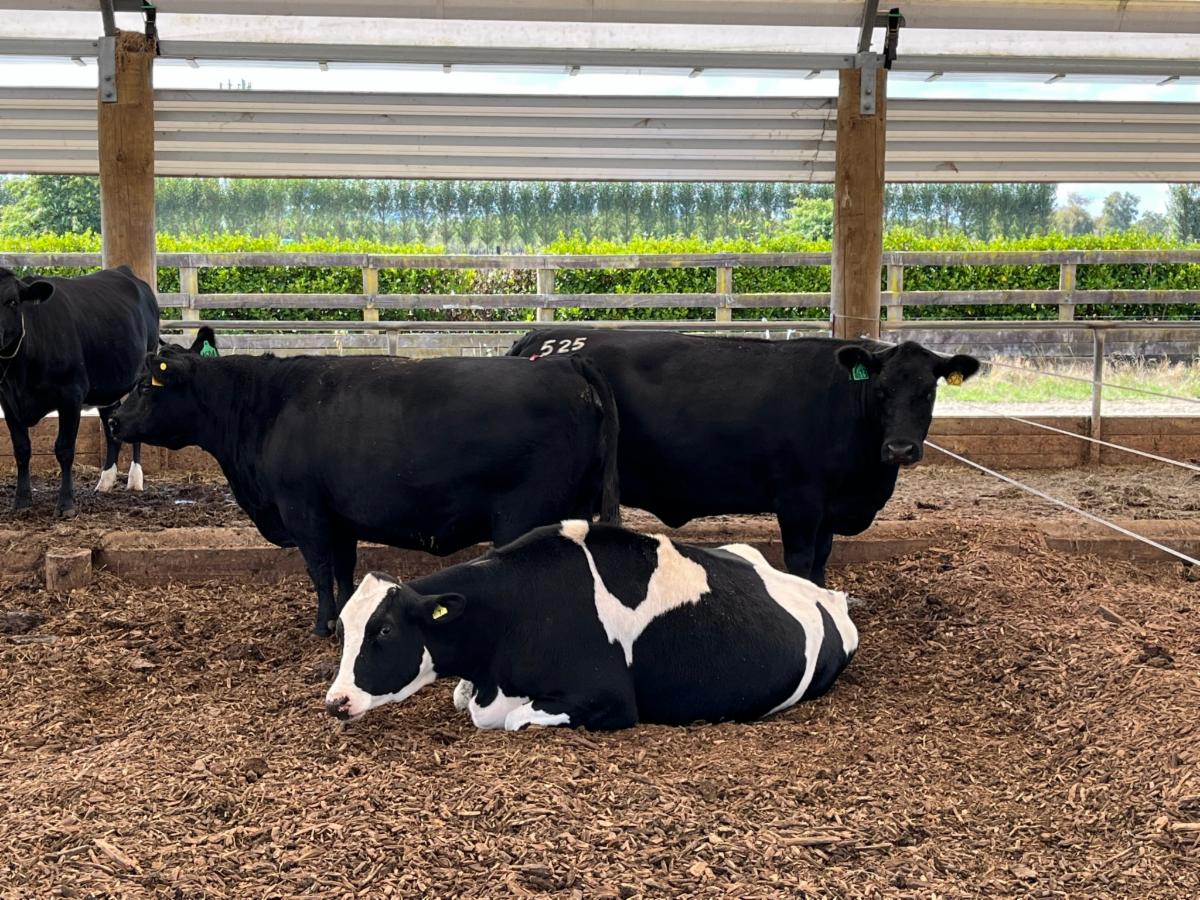
NZ donor cows

Happy Healthy Calves Begins with Recipient Management for Embryo Transfer Success

As calving season approaches, we wanted to share a few recommendations for managing recipient cows carrying embryo transfer pregnancies. The information below outlines key considerations for high-risk pregnancies, calving management, and post-calving care to help support successful outcomes.

Identification of High-Risk Pregnancies

Recipient cows carrying IVF-derived embryos or those with a large foetal estimate on ultrasound are at increased risk of dystocia. Close surveillance is recommended as the expected calving date approaches. Maintain clear records of pregnancy origin, scan results and any risk indicators.

Calving Initiation Protocol (High-Risk Pregnancies)

  • Medication: Dexamethasone (Dex 0.2, 2 mg/ml)
  • Dose: 12 ml (24 mg) administered intramuscularly (IM)
  • Timing: Administer up to 10 days before expected due date for high-risk recipients
  • Expected Response: Onset of parturition typically occurs within 36–48 hours
  • Follow-up: If calving has not occurred within 4 days, a repeat dose may be given and continued monitoring is required. Ensure veterinary consultation before repeating medication.

Example Implementation

For a recipient cow identified as high-risk 10 days before expected calving (e.g., IVF pregnancy or large foetal estimate), administer 12 ml Dex 0.2 IM and monitor closely for signs of labour for the next 48 hours. If no calving occurs by day 4, repeat the dose and maintain veterinary oversight.

General Calving Management

  • Provide a safe, clean, well-bedded calving environment.
  • Keep calving assistance equipment and veterinarian contact details immediately available.
  • Monitor for dystocia and intervene promptly according to established clinical guidelines.
  • Document all calving events and outcomes for traceability and future decision-making.

Post-Calving Care

  • Assess the health and vitality of cow and calf; provide supportive care as required.
  • Ensure timely transfer of colostrum to the newborn.
  • Monitor and manage retained placenta or other postpartum complications.

For Immediate Support, Contact your Local Vet Team

For additional inquiries, contact RSG Reproductive Technicians

Javier Balladares | [email protected] | 021 807 298

Leandro Arreseigor | [email protected] | 027 288 3556

Luis Araujo | [email protected] | 021 029 92416

CONFIDENTIAL: Information herein is intended only for the named recipients. If received in error, notify the sender immediately.

Share

Sign up to Stay in Touch!
[[trackingImage]]
RSG New Zealand

Sign up to Stay in Touch!

When you sign up for our mailing list, you'll receive a monthly eNewsletter with helpful information for your breeding operation.

Error
Error
Error
Error
Error
Error
Error
Error

Related Posts