|
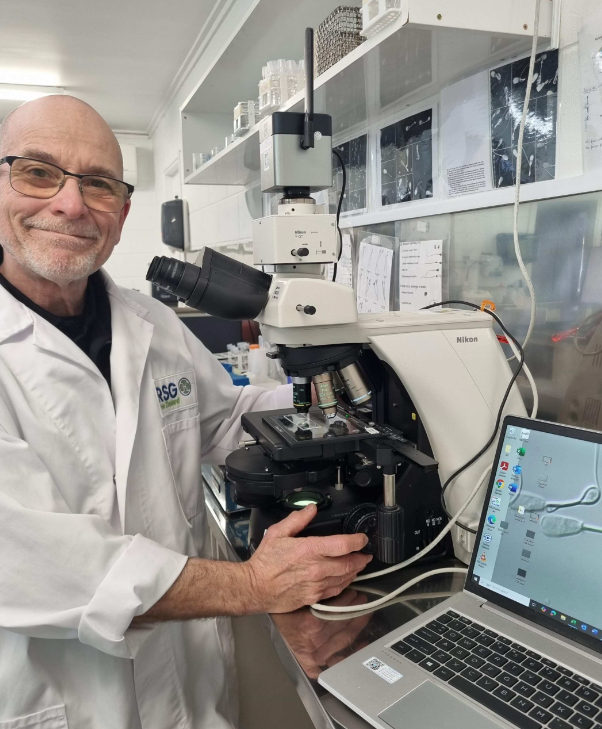
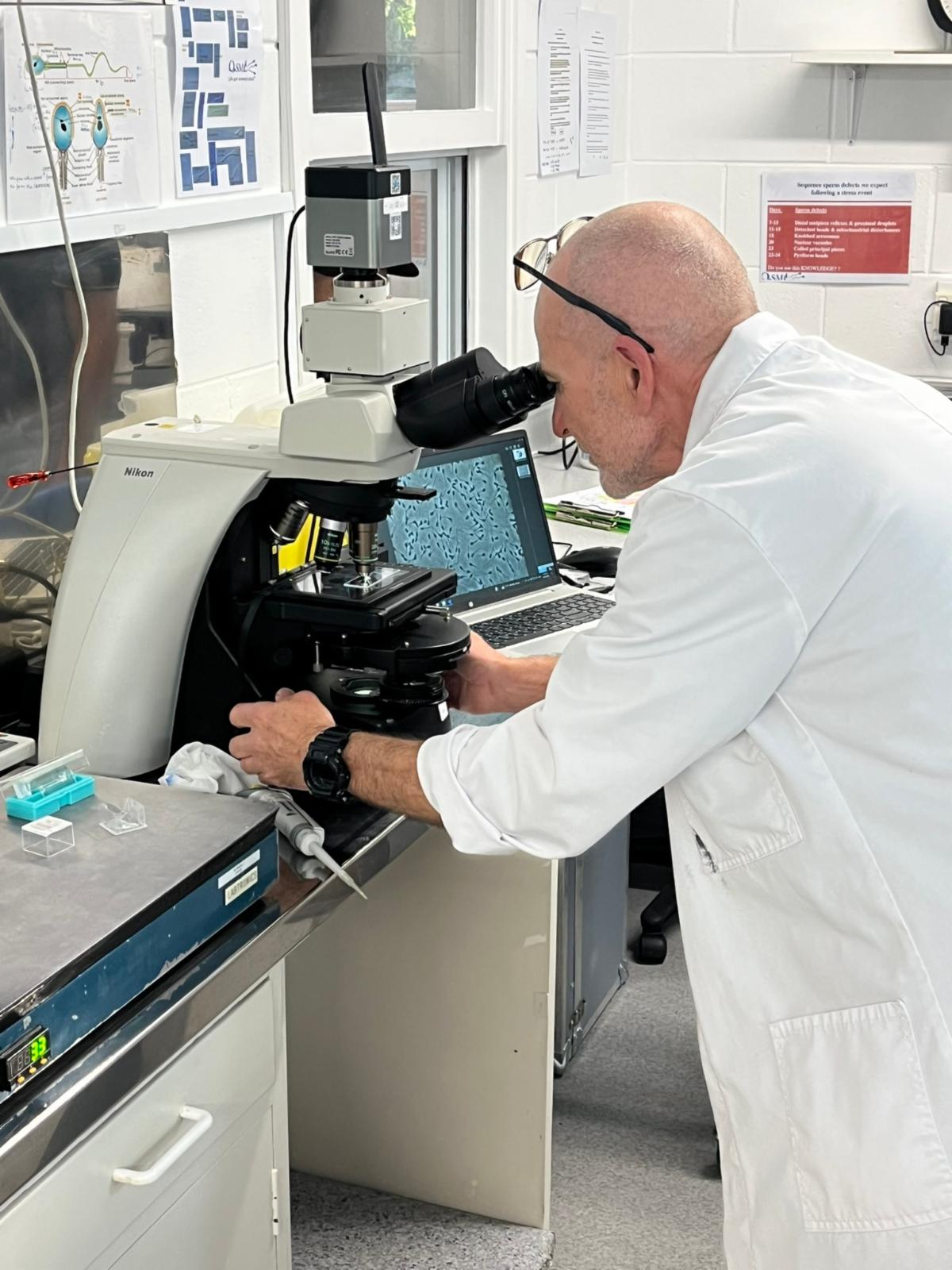
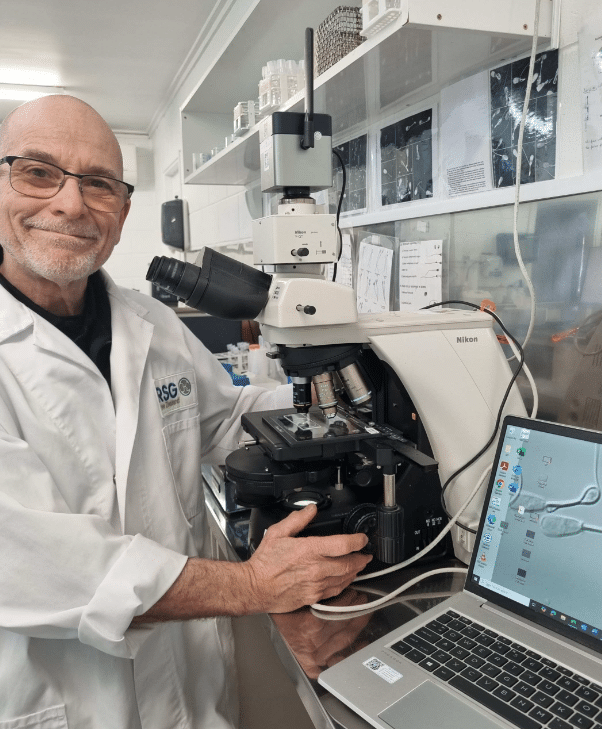
Javier Balladares | RSG Reproductive Technician
RSG is working with Trans Ova Genetics in the USA to bring in vitro embryo production (IVP) technology to sheep and goats in New Zealand.
So, what is IVP and how does it work?
IVP allows embryos to be produced from eggs (oocytes) collected from a valuable ewe or doe and fertilised in the laboratory using selected semen.
One of the key parts of the process is Laparoscopic Ovum Pick-Up (LOPU). Using a laparoscope, eggs are collected directly from follicles on the ovaries. Unlike conventional MOET programs, LOPU does not require the donor to be stimulated with FSH.
This means that, under an appropriate program, oocytes can potentially be collected from the same donor approximately every three weeks, without repeated hormone stimulation. This provides an opportunity to make much greater use of the genetics of elite females.
After collection, the oocytes are matured and fertilised in the laboratory. The embryos are then grown for several days before suitable embryos are transferred into synchronised recipient females.
The process:
LOPU → Egg maturation → Fertilisation → Embryo development → Embryo transfer → Pregnancy
For farmers, the potential benefit is simple: more embryos from your best females, more quickly, helping to accelerate genetic progress within your flock or herd.
IVP is already being performed in small ruminants in the USA, and RSG is working with Trans Ova Genetics towards bringing this technology to New Zealand.
We will share more information as the project progresses and the availability of the service in New Zealand becomes clearer.
|